Can you really buy a baby chick on the internet?
One question from my daughter, a lot of open tabs, and a useful lesson in where online buying journeys break.
A couple of weeks ago, I took my kids to a farm for the day.
We were watching the baby chicks when my daughter asked the question every parent knows is coming.
“Daddy, can we get a pet baby chick?”
“I’ll have a look online later,” I said. Which I was half hoping she wouldn’t remember.
The thing is, I did have a look online later.
It starts where everything starts now
I didn’t go to a website. I asked Google’s AI.
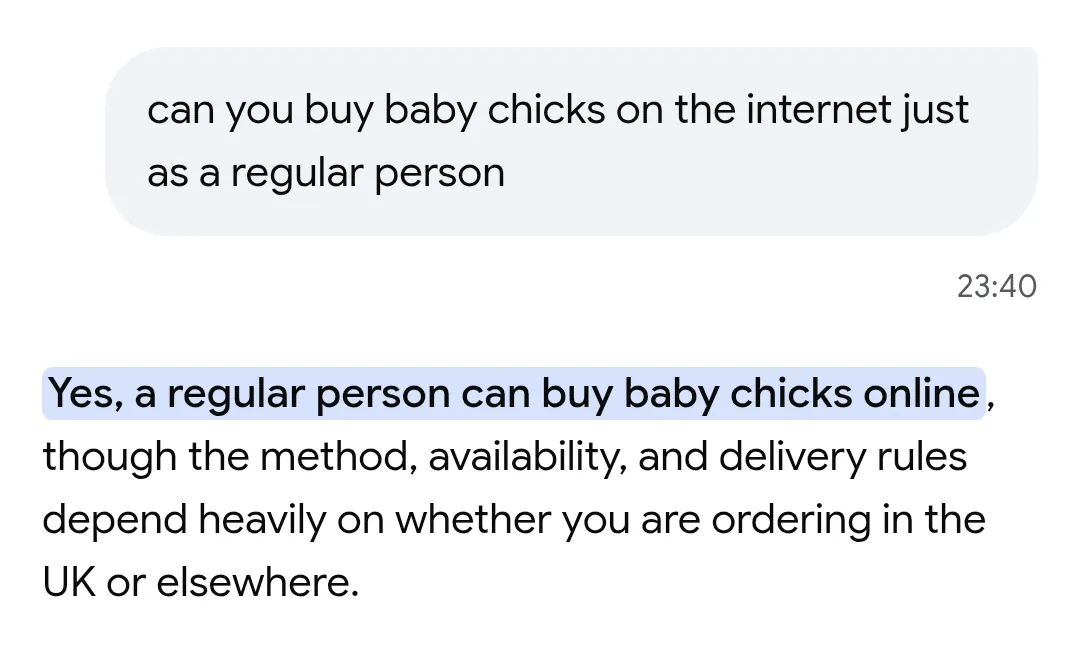
So that was settled. A regular person can buy baby chicks online. I had one more practical question.
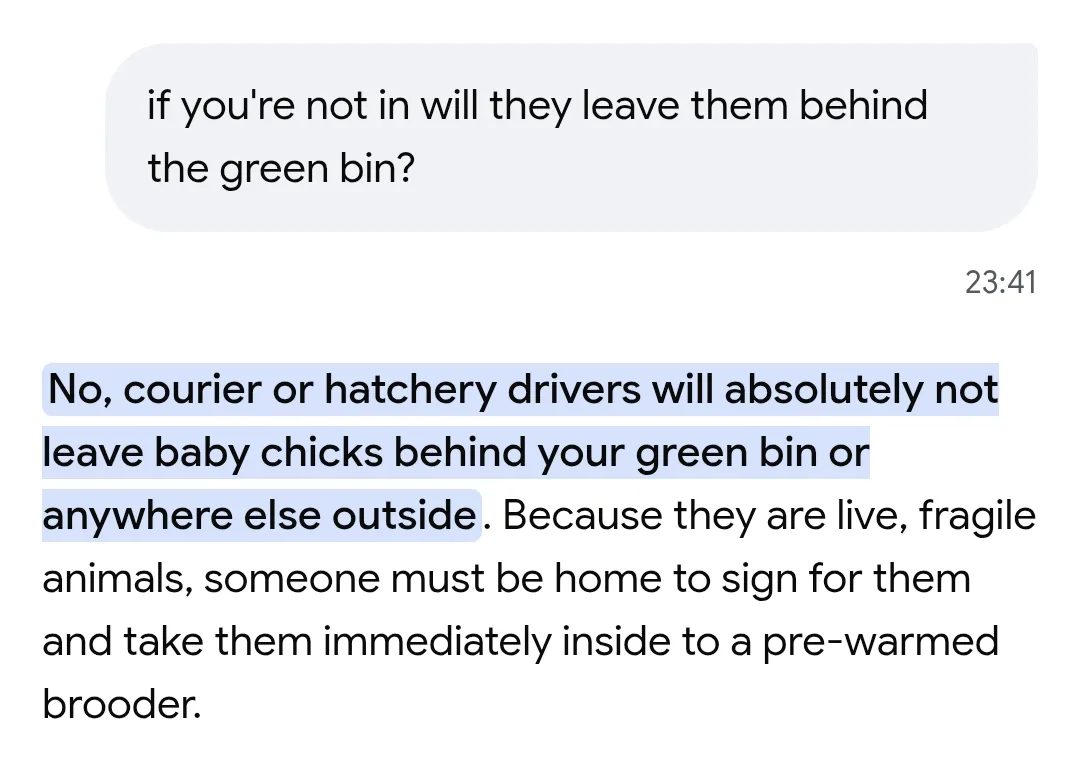
Absolutely not, apparently. Someone has to be home.
Then I tried to actually buy one
This is where the confident answer met the real world.
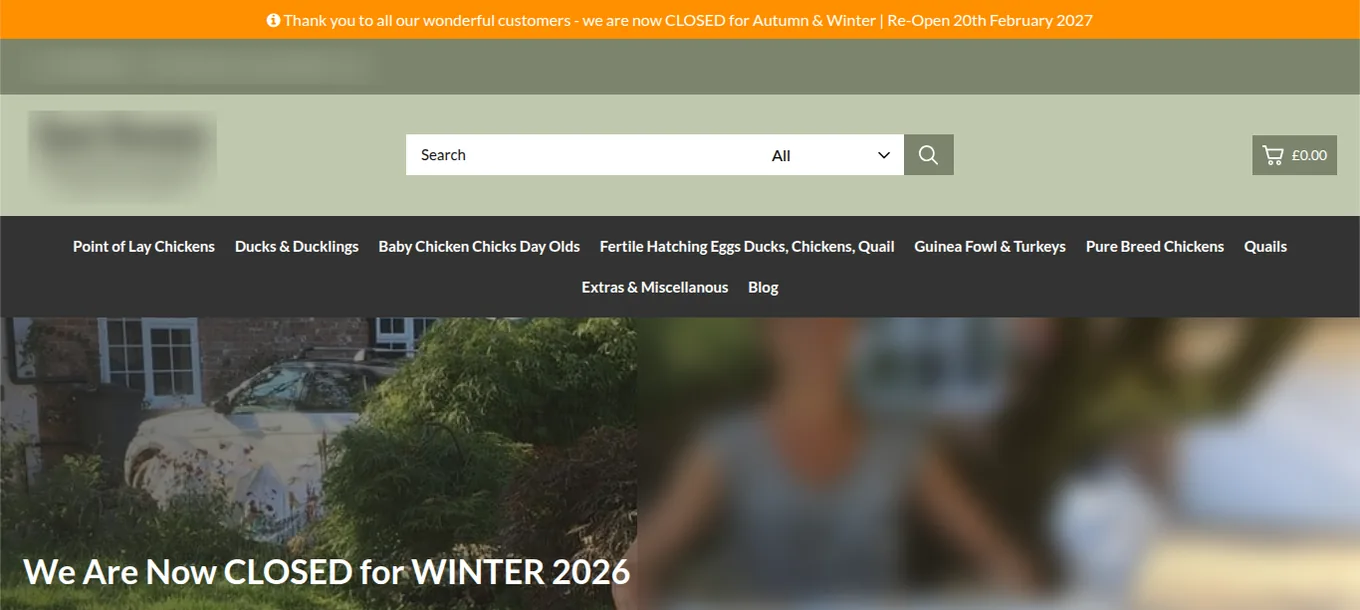
The first smallholding I found was closed for the winter and reopens in February.
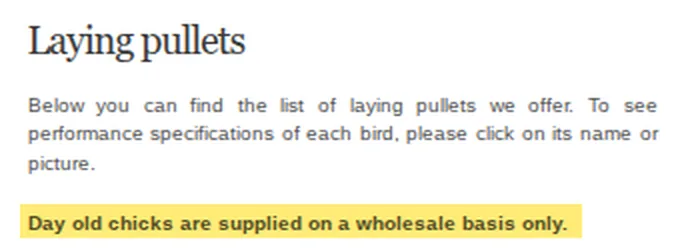
A large breeder will sell day old chicks, but only wholesale.
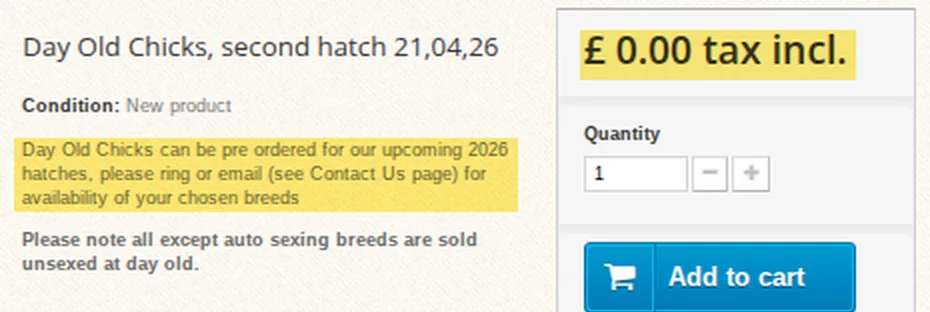
Another listed day old chicks at £0.00, with an Add to cart button and a note asking you to ring or email to preorder.
So Google’s “yes, you can buy online” meant not in October, not without a phone call, and not unless you happen to be a farmer.
So I went bigger
If you can’t get a chick delivered, it turns out you can get fully grown hens delivered. One supplier drives them to your door in their own van. Three hens and a starter coop came to £422.25, with 10% off the hens for buying a coop too.
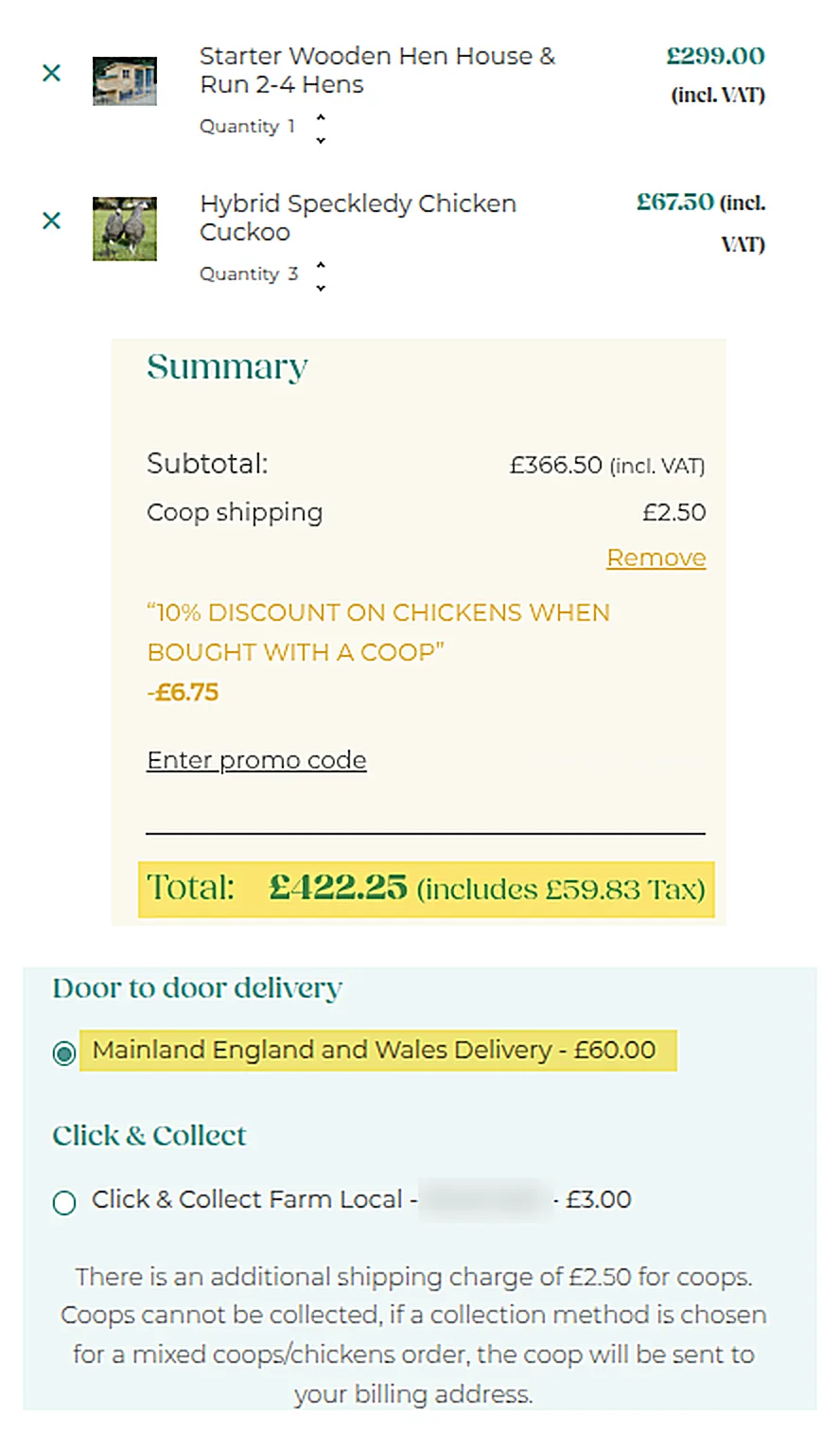
Delivery is usually within 14 days. They email you a date after you order, and in winter they’re down to one or two delivery days a week. They also sometimes put lavender in the sawdust to keep the birds calm on the journey. Which is more than most of us get on the M60.
I was away a fair bit over the next couple of weeks, so before committing I emailed to ask when they could deliver.
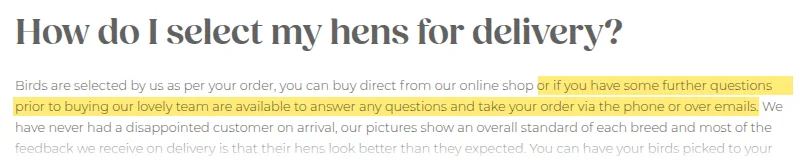
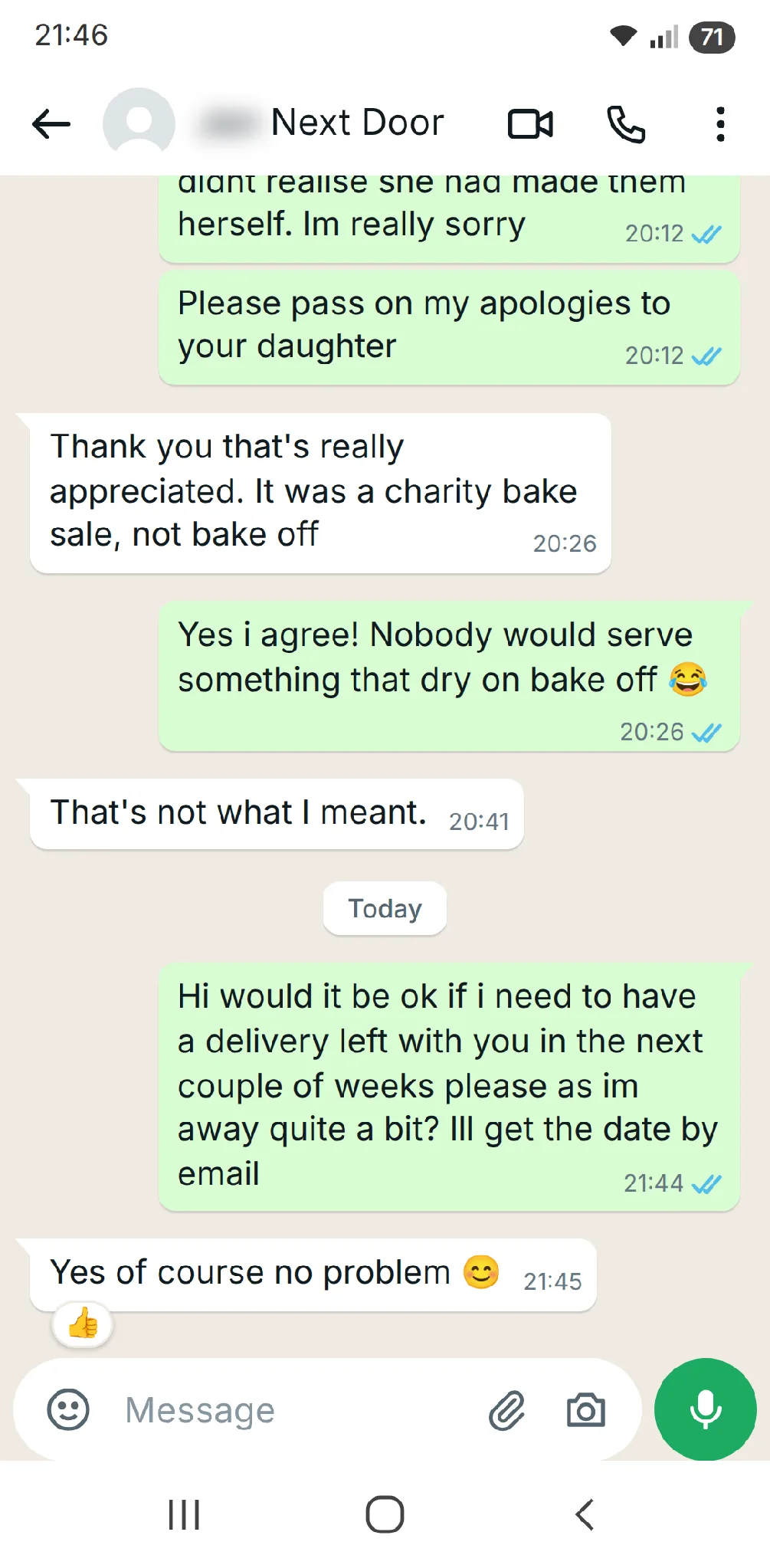
While I waited for a reply, I messaged my neighbour as a backup.
What it actually cost
The hens are the cheap part. Most of that £422.25 is the £299 coop, plus £60 delivery and £2.50 to ship the coop separately. And that’s before feed, bedding, a drinker, or the £39 avian flu kit I spotted in the same shop.
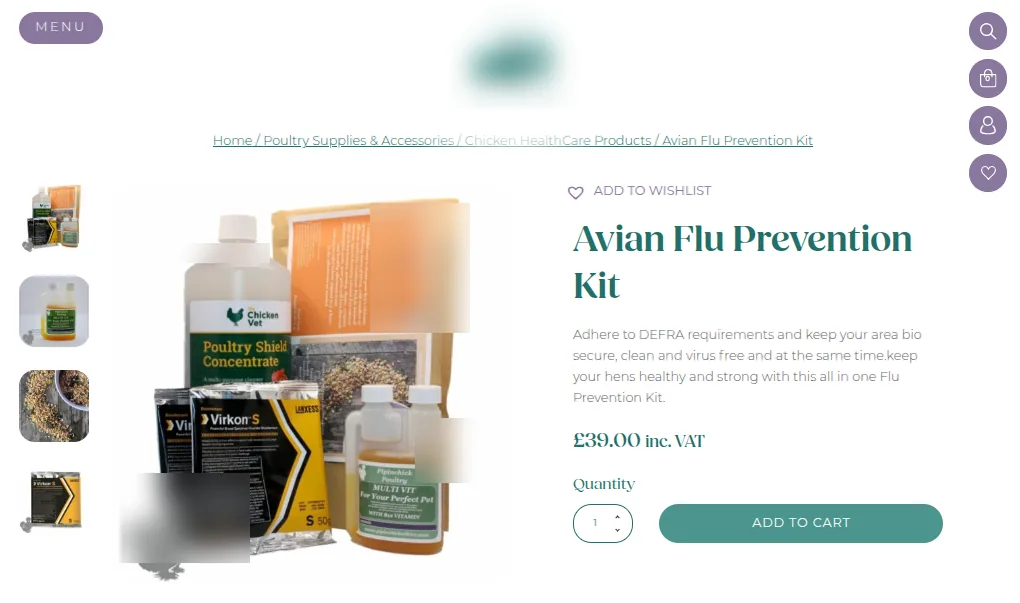
The kit mentions DEFRA requirements, so I looked up the rules. In England and Wales you have to register with the government within a month of keeping poultry, pet hens included. None of the sites I went through mentioned it before checkout.
Two days later
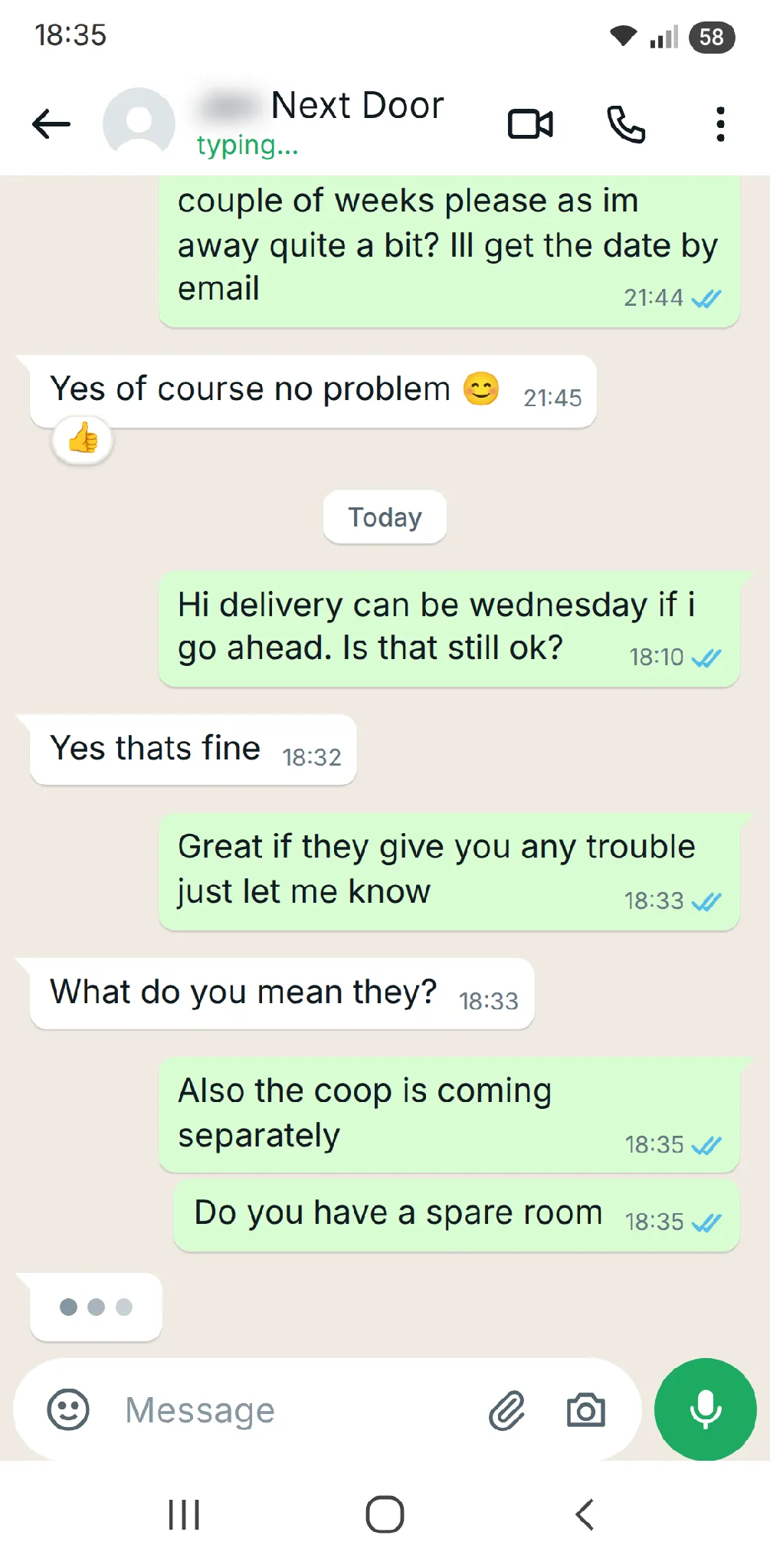
They replied. They could do Wednesday.
What one innocent question showed me
Take the chickens out and this is a very ordinary story about buying something online. Three things stood out.
The first answer is now an AI answer, and it doesn’t know your business. Google told me yes with total confidence. The real answer for me, in October, in Manchester, was mostly no. If customers are asking an AI about you before they reach your site, the facts that decide the sale need to be clear and current on your own pages. When, where, how much, and how it gets to them.
The important information came last, or never. It was easy to put a live animal in a basket. It was hard to find out when it would arrive, whether it would arrive at all, what it needed, or that the law expects you to register it. Every one of those is a question that stops a sale, or worse, leads to a bad one. Livestock is a niche, but the pattern isn’t.
The detail I trusted most was a human one. Out of everything I looked at, the thing that made me trust a seller was a line about lavender in the sawdust. It told me someone had thought about the journey from the hens’ side, and answered a question I hadn’t thought to ask.
Why I’m telling you this
I spend my working life looking at how people find, choose and buy things online. Most of the time the problems aren’t dramatic. They’re small gaps, in the wrong order, that nobody inside the business can see any more because they already know the answers.
If you think your customers might be getting stuck somewhere on your site, I’m happy to take a look. I promise to take it more seriously than the chickens.
And no, I didn’t end up buying any livestock. But I did have a look online later.

Independent digital strategy consultant, Manchester